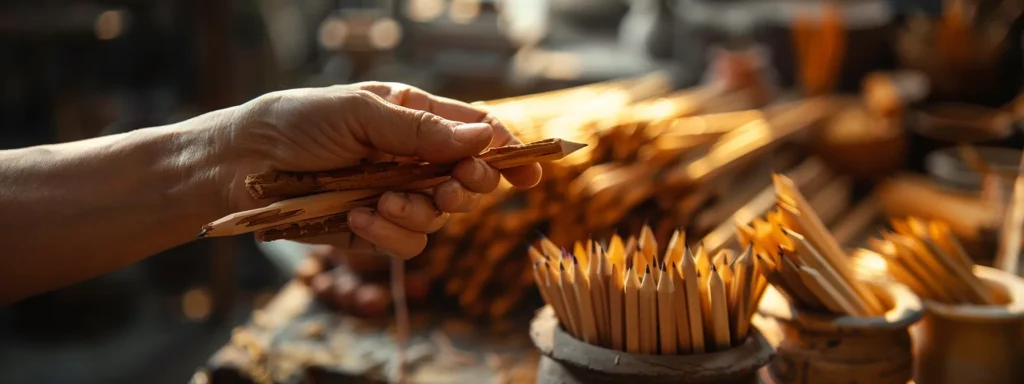
In the journey toward sustainability, even the smallest choices can have a profound impact on our planet. The humble pencil, a staple of desks everywhere, comes under scrutiny when considering its environmental footprint. With this in mind, the innovative Apple Pencil: Twig Pencil Collection emerges as a notable contender in the quest for responsible stationery.
Despite its simplicity, the choice between twig pencils, like the twig pencils, and traditional wood pencils is significant. In this article, we delve into the environmental implications of this everyday writing tool and guide eco-conscious consumers towards making informed decisions that harmonize with the Earth.
Twig Pencils and Traditional Wood Pencils: Understanding the Differences
At first glance, twig and traditional wood pencils may serve the same purpose, but their stories diverge at the source. Twig pencils, crafted from apple wood pruned from orchards, represent a sustainable approach to manufacturing, transforming what would be waste into a useful product.
Conversely, traditional pencils often involve clear-cutting cedar or other wood from forests, which has a heavier ecological impact. Moreover, the production of regular pencils can require more energy and chemicals for processing the wood into uniform slats. In contrast, twig pencils maintain their natural form with minimal processing, offering a distinct, artisanal appeal.
For those committed to reducing their carbon footprint, choosing twig pencils is an actionable step towards a greener lifestyle. By opting for items made from upcycled materials, individuals contribute to a circular economy, lessening demand for virgin resources and minimizing waste.
Assessing the Environmental Impact of Pencil Production
The impact of pencil manufacturing extends beyond the immediate use of wood. The entire life cycle, from raw material extraction to the end of life, determines the environmental cost of a pencil. Twig pencils stand out for their upcycled nature, repurposing pruned branches that would otherwise be discarded.
This upcycling method greatly reduces the ecological burden by avoiding the deforestation linked to conventional pencil production. These practices not only conserve forests but also decrease greenhouse gas emissions that occur when wood waste decays or is incinerated. The selection of non-toxic, natural finishes on twig pencils enhances their environmental credentials further.
To support a healthier environment, consumers are encouraged to seek out brands that offer transparency about their manufacturing processes. One way to do this is by turning to certifications or company sustainability reports that illustrate their commitment to eco-friendly procedures.
How Twig Pencils Support Sustainable Practices in the Stationery Industry
The stationery industry, often overshadowed in discussions of sustainability, holds significant potential for positive change through products like twig pencils. These pencils embody the principles of a circular economy, a system emphasizing the reuse and regeneration of materials to minimize environmental impact.
Artisans craft twig pencils with careful attention to detail, ensuring that each piece holds both aesthetic and functional value. The use of apple wood, derived from orchard pruning, ensures a steady supply of material without resorting to deforestation. The pencils not only recycle material that has low demand but also tell a story of thoughtful stewardship and respect for nature.
Promoting the adoption of twig pencils can be facilitated by choosing goods from companies committed to sustainability, supporting local artisans, and advocating for the circular economy concept. Approaching purchases with a sustainability mindset encourages industries to adapt to eco-friendly innovations.
Making the Eco-Friendly Choice: Factors to Consider When Selecting Pencils
When determining which pencil aligns with eco-friendly values, several factors merit attention. The material’s origin, production process, and potential for waste reduction are all critical in making a sustainable choice.
Evaluating the impact of the materials involves considering the sourcing of the wood and whether it promotes biodiversity and ecosystem health. Twig pencils, by repurposing apple wood from managed orchards, exemplify this aspect of sustainable materials usage. In addition, the manufacturing process, energy consumption, and use of chemicals in the creation of traditional pencils can be significant when compared to the low-impact production of twig pencils.
Ultimately, consumers should also look for pencils that offer durability and longevity, which in turn reduce the rate of consumption and waste. As the narratives around sustainability grow, opting for products like twig pencils becomes not just an environmental action, but a statement about personal values and the future consumers wish to cultivate.
Ultimately, in the maze of consumer choices before us, selecting an Apple Pencil: Twig Pencil Collection represents more than just a nod to eco-friendliness; it is a step towards redefining our engagement with everyday objects. Syncing our habits with the rhythms of nature, twig pencils embody the delicate balance between functional design and environmental mindfulness, bringing forth a vision where craftsmanship and conservation go hand in hand.