
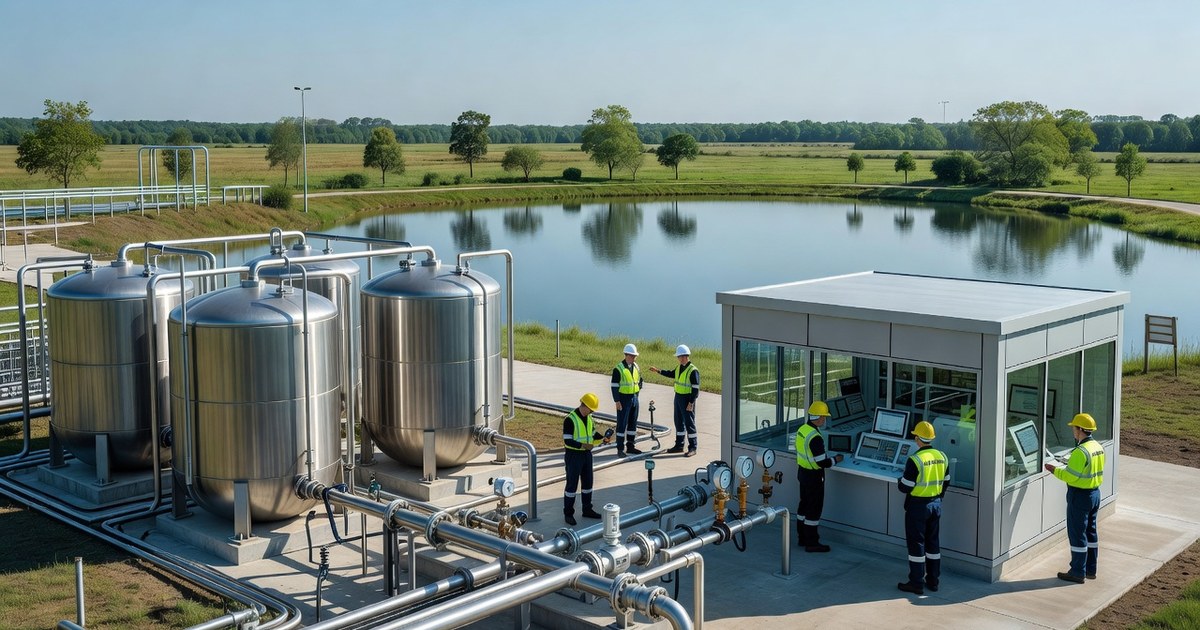
Operational risks in any industry can lead to significant setbacks, including financial losses and reputational damage. Ensuring Total Water Compliance is an effective strategy for reducing these risks, particularly in sectors where water usage and management are critical. In this article, we'll explore how adopting comprehensive water compliance measures can enhance operational efficiency, the regulations that drive these initiatives, the potential consequences of non-compliance, and strategies for implementing effective compliance measures.
How Total Water Compliance Enhances Operational Efficiency
Implementing Total Water Compliance can substantially improve operational efficiency by streamlining water management processes. Utilizing a Predictive Analytics Dashboard, businesses can monitor water consumption in real time, allowing for proactive adjustments that minimize waste and optimize usage. This level of oversight not only conserves resources but also reduces costs associated with water procurement and waste management. Furthermore, integrating these systems with Cross-Platform Integration Tools enables seamless data sharing across departments, fostering a unified approach to water management.
Companies that adopt a Risk Mitigation Framework are better equipped to handle potential water-related disruptions. By identifying and addressing vulnerabilities in water systems, businesses can avoid costly downtimes and maintain consistent operations. Moreover, aligning with Total Water Compliance helps organizations adhere to best practices, reducing the likelihood of incidents that could impact both operations and reputation.
Key Regulations Driving Total Water Compliance Initiatives
Water compliance is governed by a range of regulations that vary by region and industry. In recent years, ISO 9001 Compliance has become increasingly relevant, setting standards for quality management systems that include sustainable water practices. Adhering to these standards ensures that companies not only meet legal requirements but also enhance their operational credibility.
Government mandates often require businesses to implement an Incident Response Plan for water-related emergencies. This plan ensures that companies can quickly and effectively respond to water incidents, minimizing impact on operations and the environment. Additionally, regulations may necessitate the use of advanced technologies, such as Data Warehouse Architecture, to store and manage water usage data securely and efficiently.
Impact of Non-Compliance on Business Operations and Reputation
Non-compliance can also impede a company's ability to implement Lean Six Sigma Methodology, which relies on consistent and efficient processes. A lack of compliance can create bottlenecks and inefficiencies, undermining efforts to streamline operations and reduce waste. By prioritizing Total Water Compliance, businesses can safeguard their operational integrity and enhance their market standing.
Strategies for Effective Implementation of Water Compliance Measures
To effectively implement water compliance measures, businesses should incorporate Gantt Charting Software to plan and track progress. This tool helps project managers visualize timelines and allocate resources efficiently, ensuring that compliance initiatives stay on track. Additionally, an Agile Scrum Master can facilitate regular reviews and adjustments, maintaining focus on compliance goals.
Utilizing a Kanban Board System can further enhance the implementation process by providing teams with a clear visual representation of tasks and progress. This approach promotes transparency and accountability, ensuring that all team members are aligned with compliance objectives. Furthermore, adopting a SaaS Subscription Management platform can streamline the acquisition and deployment of compliance tools, reducing administrative burdens and improving efficacy.
Conclusion
Achieving Total Water Compliance is crucial for minimizing operational risks and enhancing business efficiency. By adhering to relevant regulations and implementing strategic compliance measures, companies can protect their operations and reputation. Investing in comprehensive compliance frameworks not only safeguards against potential disruptions but also positions businesses as industry leaders committed to sustainable and responsible practices.